By Charles Platt and Mike Darwin
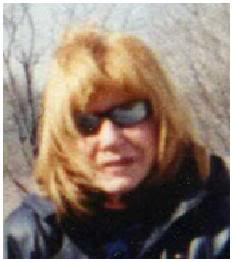
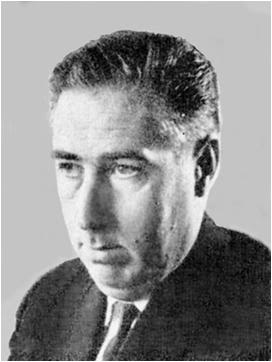 Ev Cooper (at left)
“The first meeting of Ev Cooper’s that we went to, he held in Washington, D.C., at a restaurant at eight o’clock in the morning on New Year’s Day. And of course, this was my first lesson in fanaticism because Saul Kent, Karl Werner and I showed up at it. Karl was skinny, average height; he was a photographer and a student of industrial engineering at the Pratt Institute who was also very interested in cryonics. Karl began to attend the meetings at the bar.”
“So it came down to this: shall we form our own society? My recollection is that we came to this in Karl Werner’s apartment. His apartment was a large room opposite the Pratt Institute in Brooklyn. It had high ceilings, and he’d built himself a loft, he slept up there on a bunch of mattresses. Of course, this was the height of the hippie period; he was always dragging girls up there. He always had half-naked girls hanging around. I guess he was in his early 20s, going to Pratt Institute. I always thought he had the room that Lincoln Rockwell had.” [1]
The Cryonics Society of New York
“Saul was a student at Hunter College, what was he studying, some fool thing.[2] He was going to school because he didn’t want to work, and spending most of his time at the beach.”
“I said I would incorporate a tax-free society because I was a lawyer. And what do we call it? Karl wanted to design the stationery, and Saul wanted to write letters on it, so we had to have a name. Karl said ‘Cryonics Society,’ it just came out. So, I went into the office and scraped together all the papers and went through the process of incorporating, and low and behold, we had the Cryonics Society of New York (CSNY). To get tax-free status, we had to elect officers. So I guess there were five of us: me, Karl Werner, Sutton, Saul, and the wrestler, Harold Costello. So we started talking about who should be president and vice-president. Well, Frank, the wrestler said, Jimmy’s going to be president. It never occurred to him that Jimmy wouldn’t be president. Saul and Karl were easily bullied, I could see that. So, we made Jimmy Sutton president. And now we could start typing letters and doing things. Saul wrote endless letters to people.”
“A couple months went by, and Sutton went on a late-night radio show. And the man couldn’t say two coherent words. Forget about it! And then there was the prospect of a TV show. Well, we couldn’t have Sutton doing that. So we had a brilliant idea, to put Ettinger on it. Well, Sutton couldn’t argue against that, so reluctantly—he agreed. We met Ettinger in a restaurant in some big hotel in New York. Sutton made a big stink, but of course we had found out, he was no big business man, he was just a security guard at Macy’s. But he had such pretensions. Complaining about how shabbily we dressed – Sutton had this fancy attaché case and he’d come on like a respectable gentleman. He opened the case one time and out walked a cockroach this big (indicates with his hands it was about a foot long). Clank, clank, clank—I mean you could hear its armor rattling. Nobody said a word.”
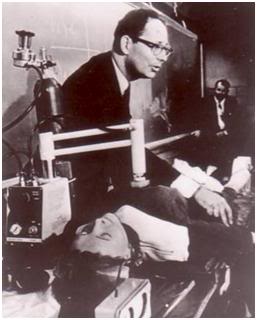 Robert Ettinger on the Tonight Show in 1966 (Robert Nelson in background). Photo by NBC TV.
“Ettinger would go on these TV shows where they had people like Zsa Zsa Gabor and Buddy Hackett, and they’d ask him things like, ‘Are you going to be frozen with your clothes on, or your clothes off?’ They were really ridiculous shows, just poking fun at the idea. He’d be appearing with people who wanted to put pants on horses, that kind of thing. And he’d say, ‘well, at least it’s getting the idea thrown out there,’ which was true. And he did get letters. He would pass on names of people who had written to him in the area.”
“TV – everyone remembers their first TV show. It’s a big event. You think, well, now everything’s going to go. But of course it doesn’t go. So there was a lot of excitement.”
“There weren’t organized meetings as such. They were slowly shifting from the bar to Karl Werner’s apartment at 306 Washington Avenue, and we never had more than four or five people. Most of them were behind on their rent. We really had no idea of the form that that this thing should take. Should we charge $5 a month? Should we go for a broad-based approach with lower fees? And Sutton didn’t know what he was doing. He wasn’t the least bit articulate. He couldn’t write or read, as far as I could tell. He used Saul as his personal secretary. So, he had to go. Saul and I went and changed the address of the society, and told Sutton that that was it, he wasn’t President anymore. There were three of us and two of them, and that was that. Oh, he threatened to sue us, and the fight went on back and forth, and he wrote Ettinger, and Ettinger took his usual noncommittal position. Sutton started crying about all the money he’d invested – I think in the end I gave him $300, or something, just to go away.”
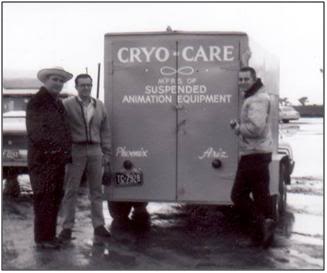 Ed Hope (left in hat) and Ted Kraver (right holding apple) standing next to the Cryo-care Equipment Corporation’s ‘baby blue’ trailer used to move the first Cry-Capsule, model CC-101 to the LES conference in Washington, D.C. in 1966 .Photo by Curtis Henderson.
“Saul provided the sinews of the organization. He wrote all the letters. He did practically all the work and when the newsletter started coming out. He wrote it single-handedly.”
“Then we organized a meeting somewhere in a school; maybe in 1965. We put out fliers, and we got 20 or 30 people. We got Ettinger to come. We paid his way. I was making good money then. We got people vaguely interested. But the hard core was still just me and Saul and Karl, and the whole thing was centered on Karl’s apartment.”
“At this point, I could see we were talking about two different concepts of an organization. Saul and Karl and I wanted an activist organization, really doing something. But most of the people who showed up were concerned with whether you were going to serve tea at the meetings, or whatever. We still had the problem that no one was interested in building the tanks. Union Carbide wanted $250,000 to build a tank – that history is a novel in itself.”
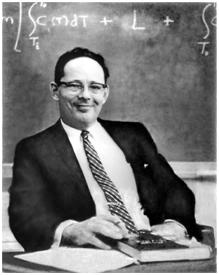 Robert C. W. Ettinger, circa late 1960s.
“Meanwhile, Ettinger kept appearing on TV shows, and it seemed every couple of months he’d come up with something that was a sure thing. They were going to freeze this person, or that; and it was really going to happen. One of the people he had hoped to freeze was Dandridge M. Cole. He was research director of General Electric. He was one of the first people to suggest space colonies – the hollowed-out asteroid, that type of thing: a rotating cylinder in space. He was a friend of Ettinger’s, and he said he wanted to be frozen. But he had a heart attack when he was forty-four, and his family went ahead and buried him. They said something about not wanting to disturb the children. So, it slowly came into our consciousness that the world out there didn’t think this was such a great idea at all. In fact, the vast majority of people thought it was a grotesque idea, a ridiculous idea. And certainly when somebody had died, talking about freezing them was like spitting on the flag; even worse than that. So our perceptions started to change. Ettinger went on with his rhetoric about freezing the first man, but –”
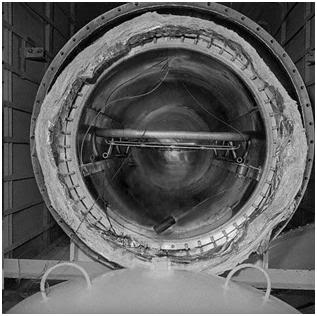 The Cryo-Care Model CC-101 Cryo-Capsule at the Life Extension Society (LES) Conference in Washington, D.C. in 1966. Photo by Henry Groskinsky.
“Karl had a movie camera, and he went out and made movies. When LES had its conference in Washington, D. C., there was to be a press conference where Ed Hope would put this dog named ‘Bell,’ that he’d frozen in the Cryo-Care tank. The idea was to create publicity, since no human had yet been frozen; sort of like the Russians did with the dog Laika that they put into orbit. Karl decided to make a movie of Ed Hope putting that frozen dog into the tank.[3] But instead of a bunch of panting reporters, here we were at eight o’clock in the morning, and the police and the SPCA show up! So, Ettinger, I, and some other people went out to face the police. And where was the dog? I guess it was in the tank. Anyway, suddenly Ed Hope gets in his car, and zoom – he’s gone, taking the tank with him. So, nobody ever found the dog. To this day, I’ve never been able to find out what happened to that dog.”
Fraud and Fraudsters
“Ettinger would go on TV, and he’d hold up pictures that people had sent him, and he’d say, ‘these people in Kansas City, Missouri are building a giant facility and will soon be freezing bodies at a cost almost everyone can afford.’ He was such an optimist. The fact was all these people were just looking for money. And there was no money. In our organization, it was basically our mortician Fred Horn’s and my out-of-pocket money, and Saul’s brains. And I was getting into my first divorce. In the meantime, fate intervened. Karl Werner was an amateur photographer, and one night he’s taking pictures of this girl Glenda, whose stark naked, she’s his model. Glenda lived across the street from Karl. He said she climbed in the window naked, and he wasn’t the same after that. He had a blow-up bigger than life size photo of her naked, pasted to his ceiling. There it was, you’d come in, and look up – Well, I knew one of us was done for right there. So, Glenda joined our crew as a secretary, and she had one thing that was absolutely essential. She had a brand-new IBM Selectric typewriter. This was the instrument that was going to put out the first newsletter. “
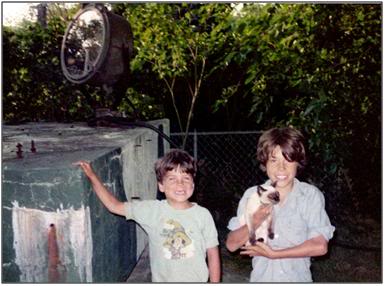 Henderson’s two son’s by his first wife, Janet; Robert (Robbie) at left and James (Jamie) at right, above, August, 1972. Photo by Mike Darwin.
“Meanwhile, I was getting into the divorce; my wife went away to Florida and took the kids, the usual crap. And I’d just bought that Buick out there.[4] And I was ready to hit the road. In the meantime, in those days for about $12.95 you could get a credit check.[5] I used to do it all the time when I worked for the insurance company. And amazing things came back.”
“There was a guy named Leonard Gold, in Springfield, Ohio. He said things like, ‘in two weeks we’re going to have the first freezing, on color television, and the capsule’s going to be consecrated by the Pope.’ So, the two weeks would come and go, and nothing would happen. Gold had his sidekick, Stanley Milgrim. And they sent out these crude airbrushed drawings of the big facility they were building in Springfield. Saul wanted to get in the car and go to each of these places and check them out. So that’s exactly what we did. We left on our first coast-to-coast trip in October of 1966. Ettinger gave us the names of people all across the country, and one of them was this TV writer, Dick Jones.”[6]
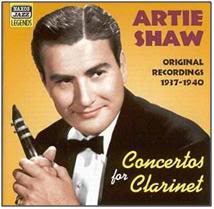 Artie Shaw, was a jazz clarinetist, composer, and bandleader. He is widely considered to be one of the greatest jazz clarinetists of his time.
“Jones was by no means the only celebrity or Hollywood type who was interested in cryonics at that time. Artie Shaw, Steve Allen and Peter Sellers had written to Ettinger, saying they were interested in getting frozen. One of the really interesting things we learned on that trip was why none of those guys ever got involved. We met with this guy named Sam Cavnar. He lived in a swanky apartment on Vine, right near the Capitol records building. Cavnar was a wealthy, influential businessman and Hollywood type who had floated a very successful precious metals consortium, AmeriCoin – gold was still illegal to own in those days because of that communist FDR. Anyway, while Cavnar was not eager to talk, his wife was really pushy and urged him to ‘come clean’ with what he knew. “
“According to Cavnar, Artie Shaw and Steve Allen had been disillusioned about cryonics by Milgrim and Gold – both of whom had been referred to them by Ettinger. Canvnar said that Allen and Shaw had put up substantial sums of money which had disappeared into thin air, along with Milgram and Gold. A guy named Dr. Benjamin Schloss took $5,000 for supposed research in cryonics, from Peter Sellers and Artie Shaw. It was all very sad. I wonder how things might have turned out if those people had been treated with respect.”
“Ettinger had a lot of contacts with wealthy people, but he never had anything to show them. When Alcor came into existence, maybe Ettinger’s friends would have donated some money. But Mike Darwin caused a rift between Alcor and Ettinger. With Ettinger, it was all talk, all blue sky. He didn’t really start his own operation till long after Alcor existed.”
“Ettinger had spoken to the man who was the head of research at Union Carbide. At that time Union Carbide was one of the few places that made cryogenic tanks. I had Union Carbide stock so I went to their stockholders meeting. I asked them if they would make tanks for storing people, and they didn’t answer my question.”
“Ettinger, sitting on these ridiculous TV shows with his celluloid collar, trying to look respectable. We also learned, and were later able to verify, that the Juno tank was in fact made by an Ohio cryogenics and engineering firm, Cryo-Vac Company, in Columbus. Gold had also been in touch with the management of Ryan Industries, a large aeronautical engineering firm that had just merged with the even bigger Cosmodyne. He had persuaded them to do some research and was trying to get them involved in making tanks. Since he lied outrageously and apparently and misappropriated money, all these business people and celebrities were completely soured on the idea of cryonics.”
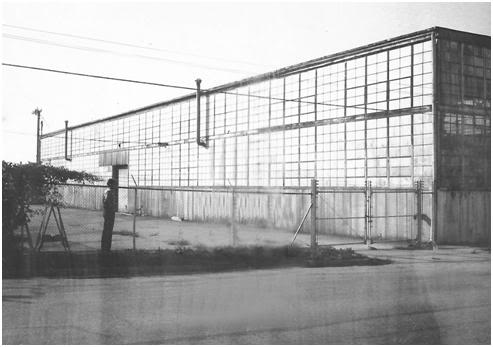 Saul Kent standing in front of the Patton Machine Works building used by Leonard Gold and Stanley Milgram to house Juno, Inc. of Springfield, Ohio.; the source of the “Springfield Incident.” Photo by Curtis Henderson.
“Ettinger was completely uncritical in referring these con men and Mr. Wonderfuls, even to highly influential, wealthy and important people. He had no sense of responsibility whatsoever. Jack the Ripper could show up, and if he had a good line, fancy letterhead and drawings of non-existent facilities, he was immediately put in touch with the highest quality and most important and influential prospects. It was a disaster. People with that kind of wealth and public influence talk to each other, and it didn’t take any time at all before the whole lot of ‘em had the clear impression that cryonics was fraud and bunkum; just a bunch of con men endorsed by the guy who was the public father and the public face of the of the whole movement.”
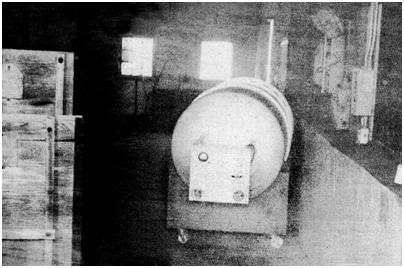 End view of the first dewar made for the cryogenic storage of humans. Photo by Curtis Henderson.
“Ettinger didn’t approve of us (Saul and I). For one thing, we thought nothing of tapping phones, breaking into places, doing whatever was necessary to find out the truth. Ettinger was the opposite; he never budged from his place in Michigan to find out anything. Even now, he’s never seen Alcor. We had to more or less kidnap him to see the place we built on Long Island. Anyway, he was super-respectable; he took a dim view of us. Cryonics was to suffer for that later on.”
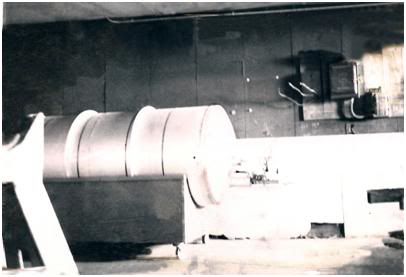 Side view of the Juno, Inc., dewar in Springfield, Ohio. Curtis Henderson.
“We went to Springfield, Ohio and sure enough, they were making some sort of tanks. I put on my old clothes and we broke into the building at night; there was a tank there, but there was no evidence of any bodies. We were wandering around Springfield; this guy comes up in a car. We had gone to this address that Gold had given us, Patton Machine Works, and it was a shoe machine factory that had gone into bankruptcy. And through the credit check, we began to get the picture. Gold made a habit of buying up companies and putting them through bankruptcy. He sold all the assets. And this was his business.”
Interior of Patton Machine Works factory building in Springfield, Ohio. Photo by Curtis Henderson.
“Gold was quite a con man. He’d convinced a local journalist that he would get the Pulitzer Prize for writing this story. So he got all this publicity, with pictures of tanks—but this thing never would have worked. Anyway, we broke into the factory at night; we even have some Polaroid pictures. And there was an old tank in there covered with dust. No facility at all. So, we went on with our travels, to Kansas City, Missouri, where there was a funeral parlor, a beautiful chapel on a hill: The Christian Memorial Chapel. There was only one guy there in this whole huge place and he tells us that ‘only Mr. Alden’ can answer our questions and ‘he isn’t there and doesn’t like to talk on the phone.’ For not wanting to talk, he had a lot to say. He told us they had ‘time elector units’ that would take the body down to 0oC in a flash, and that they were underway with construction of a cryogenic mausoleum that would hold 40,000 bodies; that they were in touch with cryobiologists and cryonics scientists all over the world, some of whom would be coming to work for them. It was bullshit, bullshit. We never met Mr. Alden and that was the last we ever heard of ‘Cryo-Life of Kansas City.’
Footnotes
[1] George Lincoln Rockwell (March 9, 1918– August 25, 1967) was a Navy Reserve Commander and founder of the American Nazi Party. Rockwell was a major figure in the Neo-Nazi movement in the post-war United States, and his beliefs and writings have continued to be influential among white nationalists and neo-Nazis. After WWII ended, Rockwell became a commercial artist. He applied to the Pratt Institute in Brooklyn, New York, and was accepted for the following year. Rockwell and his wife moved to Boothbay Harbor, Maine, and in spring 1946, he built a photography studio and found work painting commercial signs. Later that year, they moved to New York City, where Rockwell started his studies at Pratt. See: http://en.wikipedia.org/wiki/George_Lincoln_Rockwell. MD
[2] Saul Kent was a physical education major and received his B.A. in PhysEd from Hunter College. MD
[3] This was the Life Extension Society (LES) Conference in Washington, DC in 1966. This is a Bettman Archive photo of the dewar (the very first dewar) at that Conference. Karl Werner did not rent a trailer and transport the dewar; it was brought out in the “baby blue” Cryo-Care trailer expressly for display at the conference. The dog was named “Bell” and to this day nobody will talk about her (not even Ted Kraver). MD
[4] The Buick features prominently in a blackly ironic article on Henderson and cryonics that appeared in the ‘Ladies Home Journal’ in 1968; unarguably the best media article ever written about Henderson, and one that completely captures his demeanor and personality. It was entitled “No, Thank You, I’d Rather Not Live Twice” and authored by Lois R. Chevalier (Ladies Home Journal, Volume 86, March 1969; Page 68-69.). MD
[5] The company was the Patton Machine Works. More importantly by far, this was no credit check he was having run. He was using the resources of his employer to commission a full scale Pinkerton (private) investigation of Milgram & Gold. This report survives and is now in the Digital Cryonics Archives. MD
[6] Richard (Dick) Clair Jones was actually an actor/writer at this time. MD
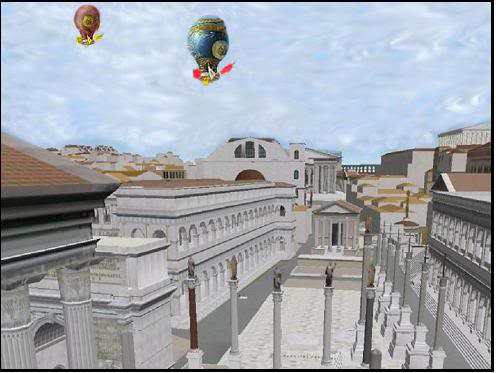
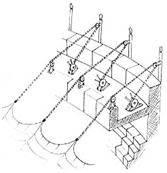
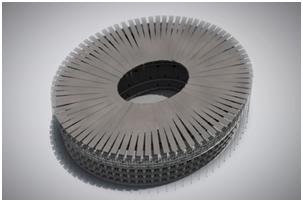 Lighter than air craft are very easy to build, and both the Ancient Romans and the Renaissance Italians had the materials, the wealth, and the technology. The Colosseum was covered with canvas awnings, the Velarium,2 that were operated by a complex series of ropes and pulleys, and the Roman’s were superb canvas makers and produced the material in copious amounts to use for ships’ sails. Why didn’t they develop lighter than air flight – and why didn’t Leonardo? The Montgolfier brothers came up with the idea while lying beside a fire and watching hot ash and embers float upwards – and they thought about this in a military context – namely how to take Gibraltar from the British.
 That got me thinking about all sorts of technologies, and why they were not developed far earlier, given that the minds, the tools, and the ancillary technologies were often all clearly in place. It was then that I realized that to a great extent we are, all of us humans, optimists and technological prophets of the most lunatic sort; in no small measure because all we know, by experience, is that we have survived, and that we have triumphed (so far). Similarly, most people in the West (and especially cryonicists) see human history as relentlessly and inevitably progressing, in large measure because we ourselves are the product of a civilization that has survived and progressed – and that has done so to an astonishing degree – in an equally astonishingly short period of time.
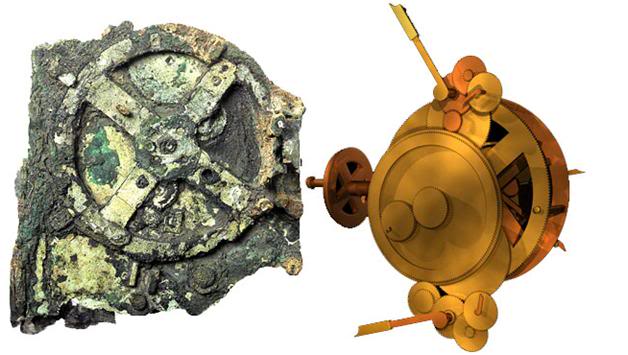 The Antikythera Mechanism (above).
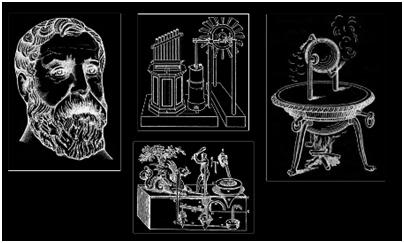 Hero of Alexandria and his inventions; (clockwise) the wind-wheel, the aeolipile, and complex automata used in temples and as public monuments. Images courtesy of the Wikimedia Commons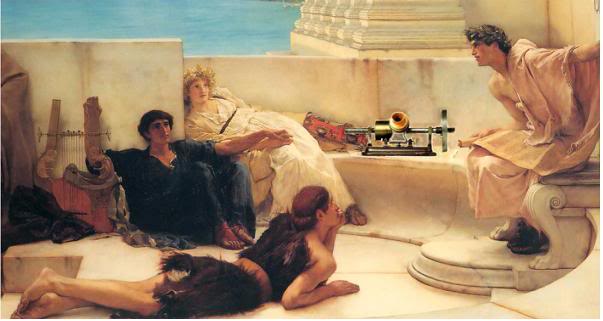
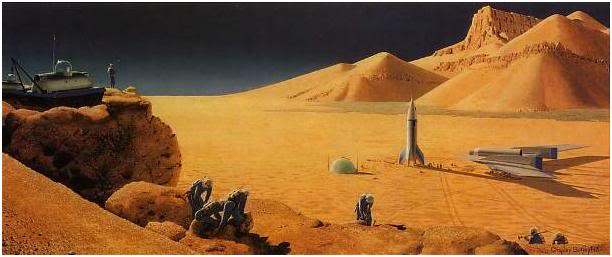
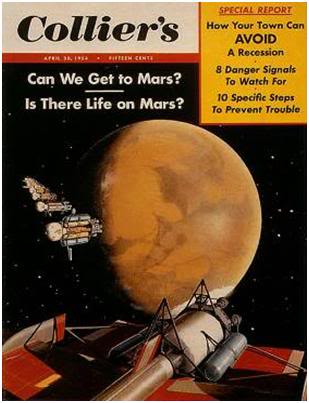
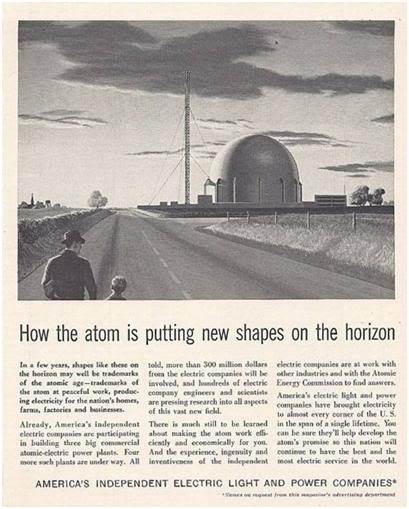
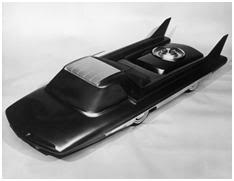 At about the same time as Strauss made this pronouncement, the Ford Motor Company developed a concept car called the Ford Nucleon. The Nucleon was to use an ‘atomic power capsule,’ in effect an atomic battery, located in the rear of the car which charging stations would switch out for a fresh one every ~ 5,000 miles of driving time.17
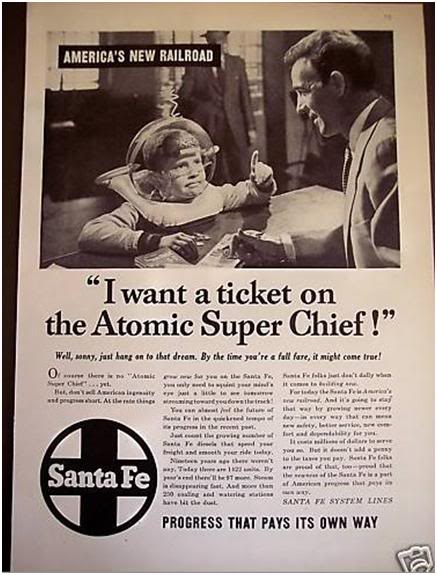 The Santa Fe Railroad, then as commercially important and as technologically credible as Apple or Microsoft are today, anticipated fission reactor powered trains within 20 years, and ran ads in national magazines featuring a youngster only a few years older than me, asking to buy a ticket on an atomic powered version of the Super Chief which was then the preeminent way to travel across the country from Chicago to Los Angeles, in both speed and comfort.
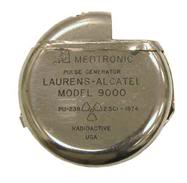 So what went wrong? Were these predictions based on erroneous assumptions about was both possible and economical? The answer to that question depends a great deal upon what kinds of risks and responsibilities you are willing to accept as a society. In 1974, Medtronic, the world’s leading manufacturer of cardiac pacemakers, then and now, released the Laurens-Alcatel Model 9000 pacemaker.18 It was a nuclear powered device that used a tiny thermopile powered by 2 to 4 curies of plutonium-238 (with an 88 year half-life). As the term “thermopile” implies, heat from the decaying plutonium was used to generate the electricity that powered the device. There are an estimated 40-50 people in the US still alive with an implanted Laurens pacemaker. Thirty years later, these devices continue to operate flawlessly in those patients who remain alive with them. No doubt, those few of the devices that have escaped destruction will outlast their owners by many decades, if not a century or more.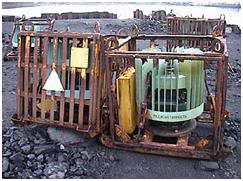
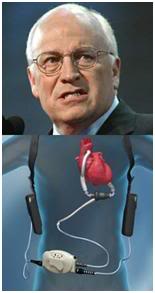 Had it been pursued as aggressively as the development of say, the transistor or the lithium battery, it would be omnipresent in our daily lives. Laptops, flashlights, and other portable electronic devices would effectively never run out of power, with their lead and titanium encased ‘nuclear batteries’ being handed from one generation to the next. Arguably, most electronic devices would now have self-contained RTGs, freeing us of the frustrating nuisance of cords, cables and the infuriating lack of a power point where and when we need one. And of course, former Vice President Cheney would not now be tethered to the cumbersome and short-lived battery pack (~5 hours) to power his left ventricular assist device (LVAD)21 – nor would he face the near certain (and likely eventually fatal) risk of infection from the power cable that connects the vest-worn external batteries to the centrifugal pump implanted in his chest.
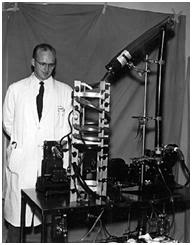 C. Walton Lillehei and his beer tubing and industrial finger pump heart-lung machine.
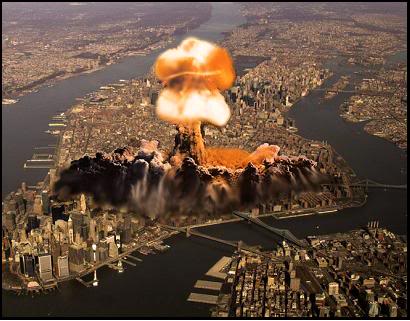 We must also confront the possibility that the civilization we are embedded in will, just as have all those that have come before it, fail and fail catastrophically. The very technology cryonicists venerate offers not only the prospect of immortality, but also of oblivion. History has been defined in many ways, but perhaps one of the best and most applicable here is that, “history is that period of time which has passed out of living memory.” To achieve practical biological immortality is, then, by that definition, to put an end to history. If we want to end history, then we must come to understand that where our personal survival is concerned, historical trends, and even historical certainties, will have no relevance if they do not occur in time to save our lives.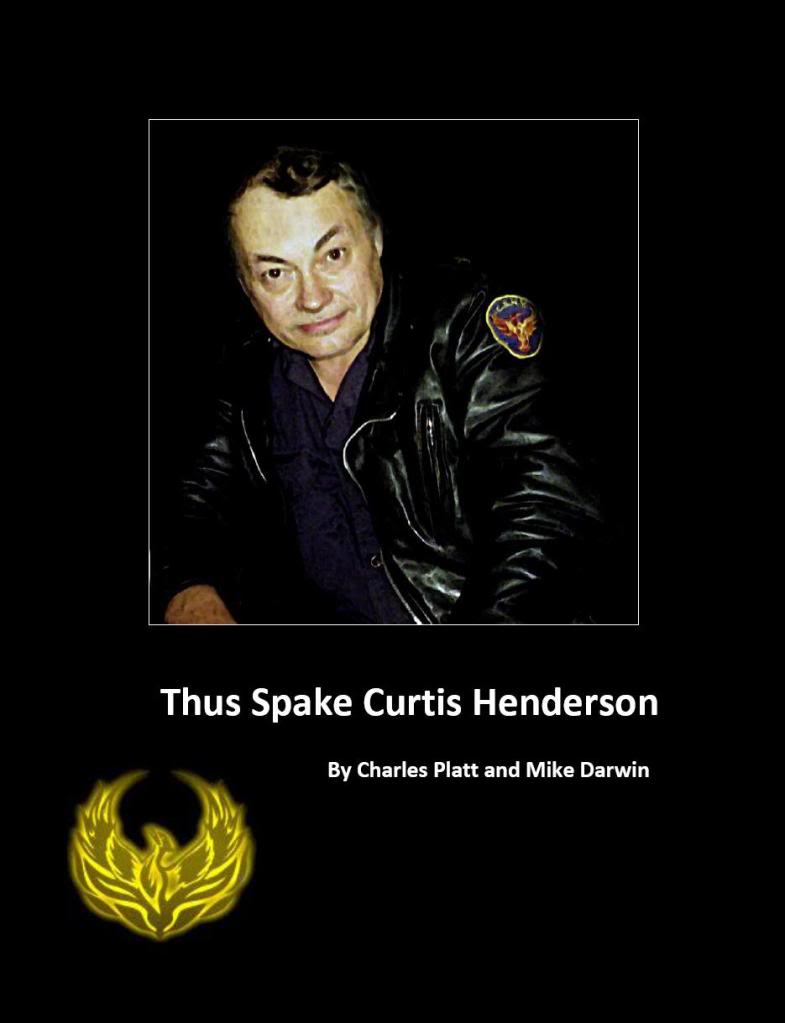
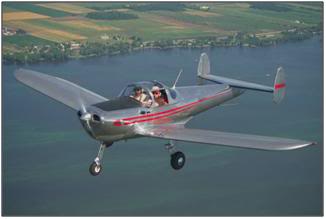 The ERCO Eurcoupe. Image courtesy of Wikipedia Commons.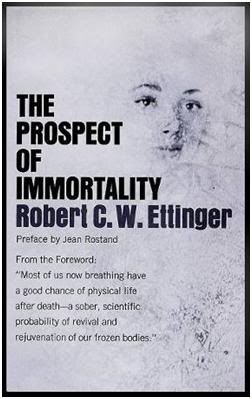
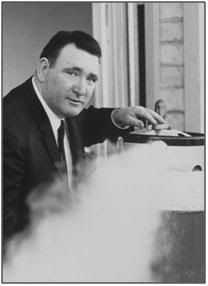
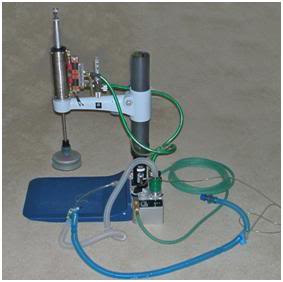 Figure 45: Active Compression-Decompression High Impulse CPS machine first put into clinical application on 12 Dec 1995.
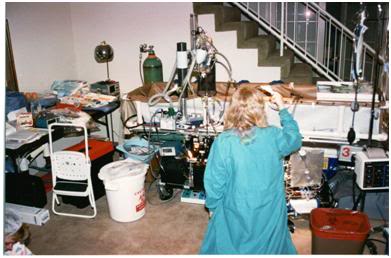 Figure 46: MALSS being set up in a patient’s living room for in-home CPB on 12 December, 1995.
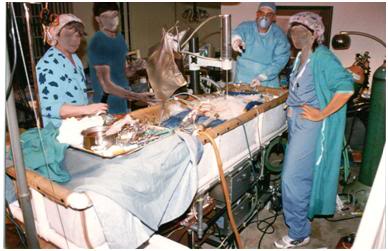 Figure 47: Patient undergoing in-home CPB following immediate post arrest support with ACD-HI CPS.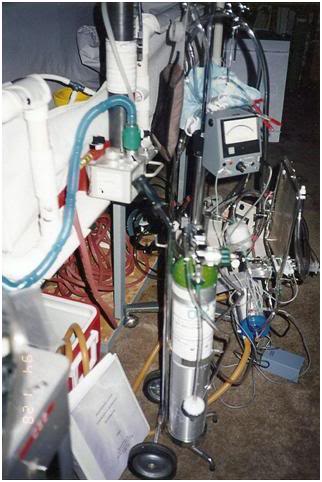
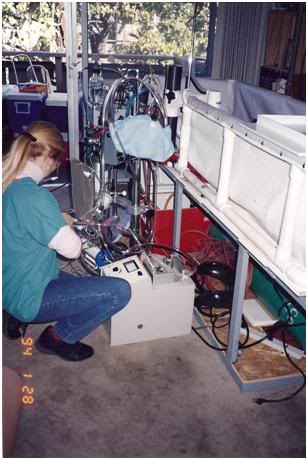
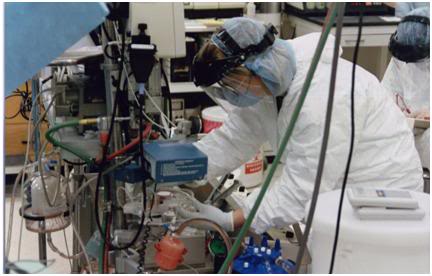 Figure 50: Experienced experimental animal perfusionist from UC Davis Veterinary School (under contract to BPI) withdrawing a perfusate sample for analysis during the cryoprotective perfusion of Jerry White in 1994.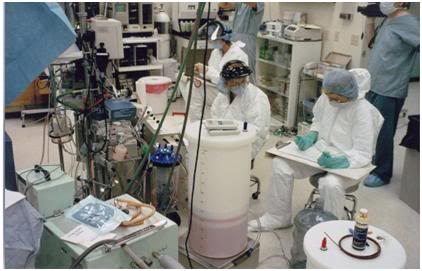
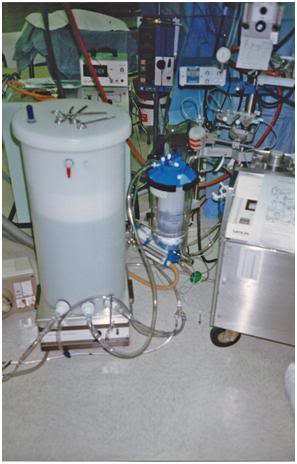 Figure 52: Cryoprotective perfusion circuit used for Jerry White at BPI in 1994. The only ‘non-medical’ pieces of equipment in the circuit are the perfusate reservoirs, and the magnetic stir stable and stir bar, used to mix the CPA concentrate with the recirculating perfusate; a requirement unique to human cryopreservation operations.
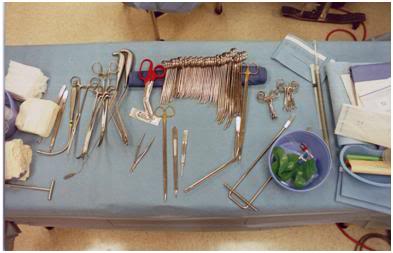 Figure 53: Some of BPI’s cardiothoracic instruments on the back table during the cryopreservation of Richard Marsh at BPI on 06 May, 1994.
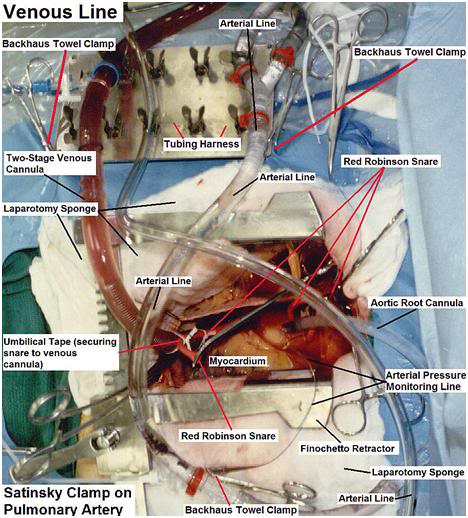 Figure 54: Cannulae and tubing configuration (median sternotomy) employed at BPI (cryopreservation of Richard Marsh on 06 May, 1994).
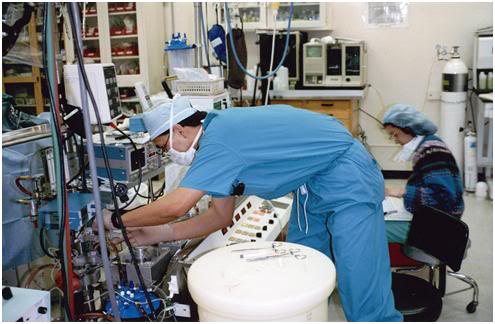 Figure 55: Board Certified clinical perfusionist performing the cryoprotective perfusion of Richard Marsh at BPI on 06 May, 1994.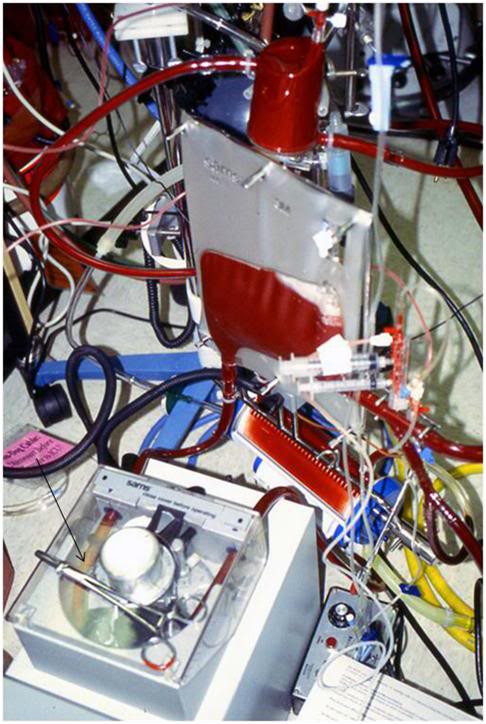
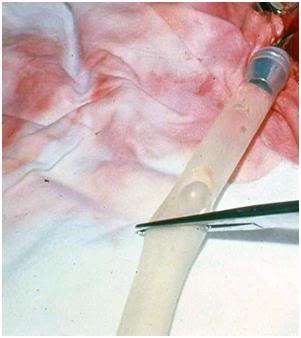 Figure 57: Air bubble in silastic tubing during cryoprotective perfusion of a cryopatient in 1975. The high surface tension of water causes the bubble to have spherical contours as consequence of its interaction with air at the air-liquid interface.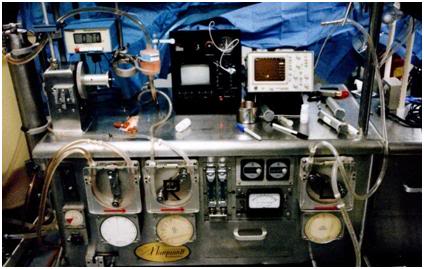
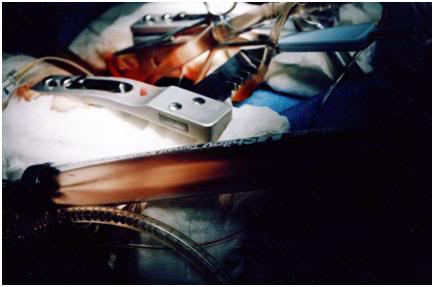
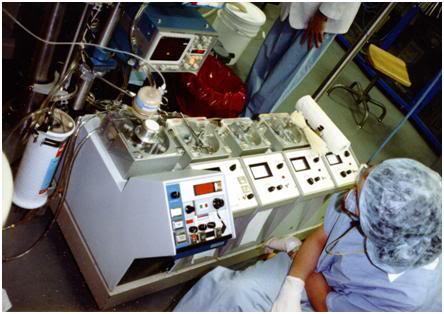 Figure 29: Sarns DX pump (left side of the heart-lung machine console) being used with a Kolobow silastic membrane oxygenator to provide pulsatile flow for a patient on 31 December, 1990. An added expense that accompanied the loss of the TKP was the need to use Kolobow ‘true membrane’ oxygenators in order to minimize damping of the pulse wave that occurs with hollow fiber oxygenators. The TKP pulsation generator bypassed the oxygenator and was positioned in-line, adjacent to the arterial cannula.
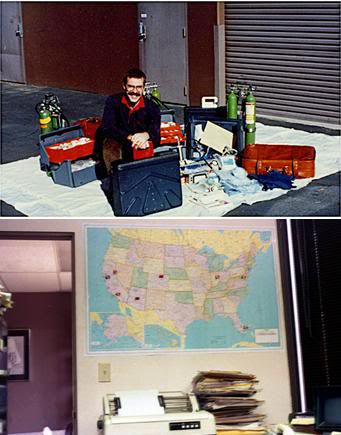 Figure 30: At top, Mike Darwin, with the 1st generation of emergency response kits just prior to their deployment in 1985; and at bottom, the map of the US showing the location of emergency kits and of all Alcor members as of May, 1986.
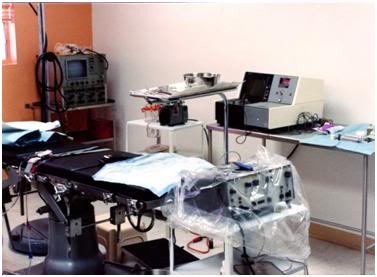 Figure 31: Operating room in the Alcor South Florida facility in May of 1987; invasive pressure monitoring equipment on cart at left, hot suction on white cart at center, defibrillator & monitor on stainless steel back table at upper left, electrocautery on cart in foreground, and operating table lower left.
 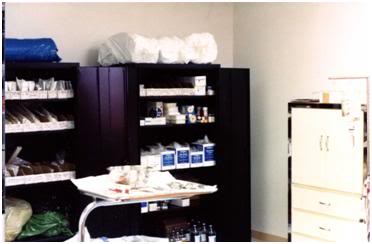 Figure 32: Extracorporeal supplies cabinets in the Alcor Florida facility in May of 1987.
 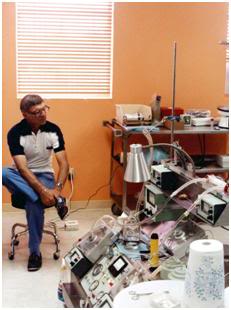 Figure 33: Alcor member Gil Ross looks on as preparations are underway for a training session. In the foreground is the American Optical heart-lung machine which was to be used for cryoprotective perfusion in the South Florida facility.
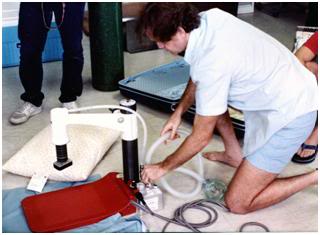 Figure 34: Saul Kent practicing set-up of the Michigan Instruments 1008 heart-lung resuscitator during a training session conducted in South Florida, circa 1987.
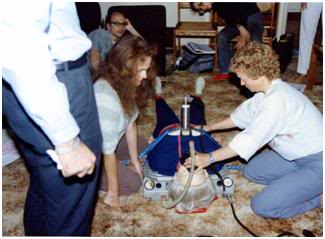 Figure 35: Left to right: Thomas Donaldson, Cath Woof and Linda Chamberlain practicing applying and operating the Brunswick HLR-50-90 at an Alcor Transport training session hosted by the Donaldson’s at their home in Sunnyvale, California.28
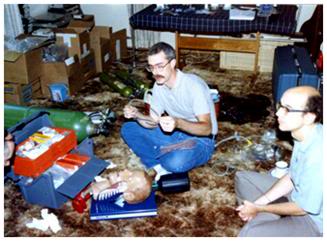 Figure 36: Mike Darwin and Thomas Donaldson preparing to practice endotracheal intubation skills at an Alcor Transport training session hosted by the Donaldson’s at their home in Sunnyvale, California.
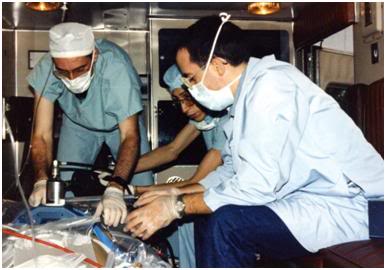 Figure 37: Patient undergoing mechanical CPS as a bridge to ECMO support in the Alcor ambulance in June of 1987. Left to right above are: Mike Darwin, CRT, Carlos Mondragon and Scott Greene, RN.
 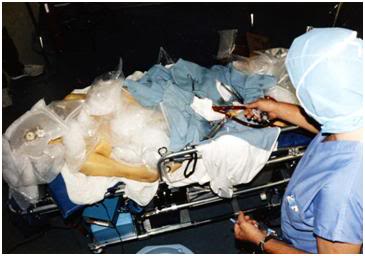 Figure 38: Jerry Leaf preparing to install aneroid ‘back pressure ‘ monitoring gauge on the arterial filter of the bypass circuit.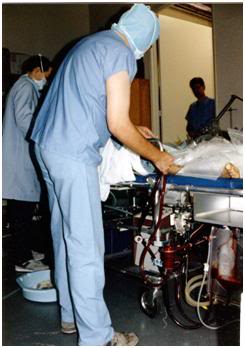
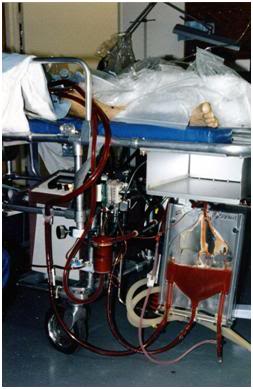 Figure 40: The patient on CPB undergoing cooling to 15oC prior to blood washout and cryoprotective perfusion.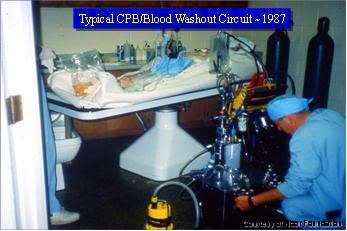
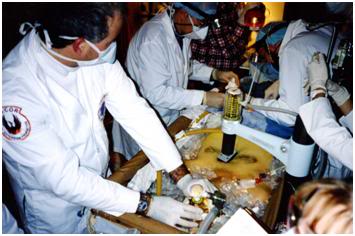 Figure 42: Patient undergoing high impulse CPS as a bridge to CPB cooling and blood washout on 12 December, 1991.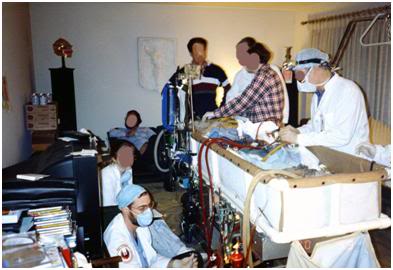
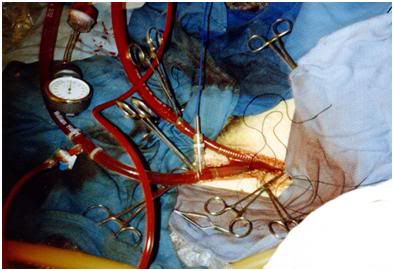 Figure 44: Femoral cannulae, arterial and venous lines, pressure monitoring line and aneroid, 12 December, 1991.
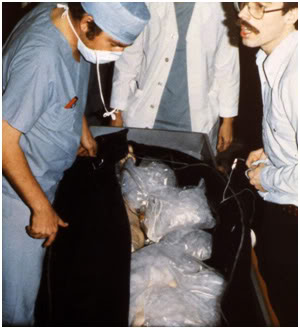 Figure 15: Jerry Leaf at left and Mike Darwin at right performing the initial examination of a patient stabilized remotely in Wisconsin and Transported to the facilities of Cryovita Laboratories in 1980.
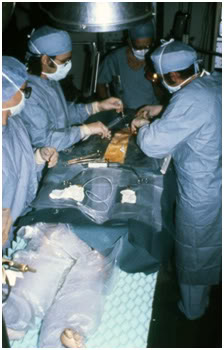 Figure 16: Patient undergoing median sternotomy prior to cannulation for cryoprotective perfusion at Cryovita Laboratories in 1980.
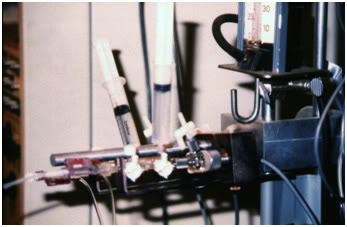 Figure 17: Intravascular pressure monitoring set-up (Intraflow™, stopcock manifold, Statham pressure transducer and calibrating mercury manometer) as used to monitor cryopatient arterial and central venous pressure at Cryovita Laboratories in 1980.
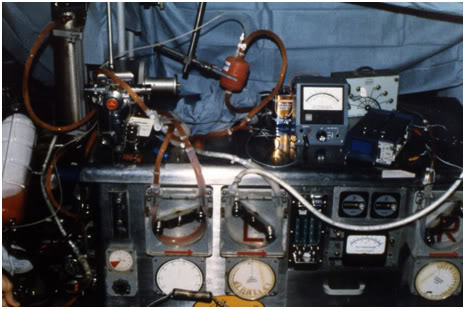 Figure 18: Heart-lung machine and extracorporeal circuit employed to carry out cryoprotective perfusion of cryopatients at Cryovita Laboratories in 1980.
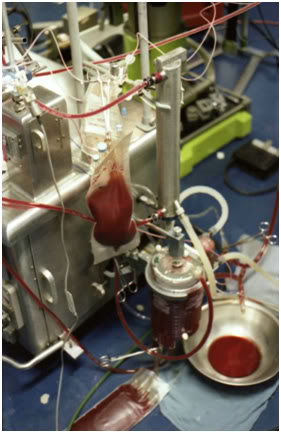 Figure 19: Shiley pediatric blood oxygenator (bubbler) and blood reservoir bags used to hold the animal’s blood during asanguineous perfusion at Cryovita Laboratories on 17 March, 1984. The stainless steel basin was used to collect discard effluent at the tail end of blood washout and replacement.
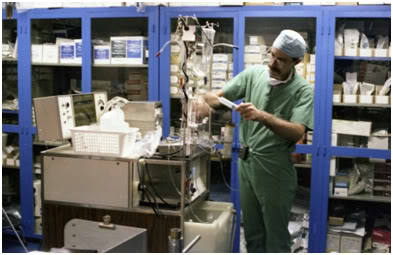 Figure 20: Mike Darwin preparing an ‘ancient’ Travenol RSP dialysis machine for electrolyte normalization and hemoconcentration on the TBW dog ‘Enkidu’
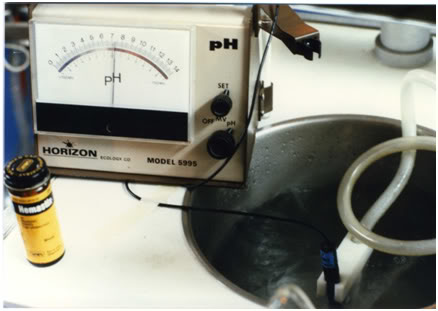 Figure 21: Continuous monitoring of dialysate pH during rewarming with dynamic adjustment of pH being carried out by the addition of sodium hydroxide solution to the dialysate via the top ‘mixing compartment’ of the RSP dialysis machine. The bottle of Hemastix was used to check the dialysate returning from the dialyzer for hollow fiber breaks that could result in blood leaks from extracorporeal circuit into the dialysate.
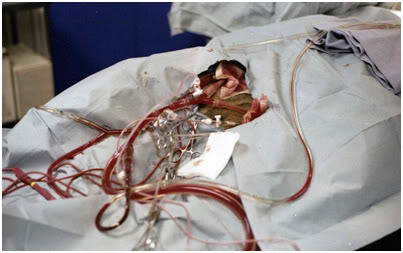 Figure 22: Bilateral femoral cannulation was used for the TBW experiments. In this photograph the arterial, venous, dialysis and pressure monitoring lines are visible during the perfusion of TBW dog ‘Enkidu’ on 17 March, 1984 at Cryovita Laboratories.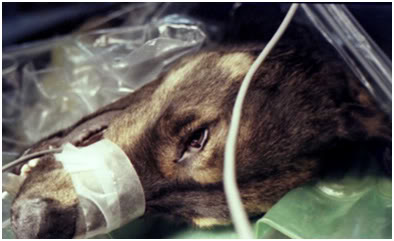
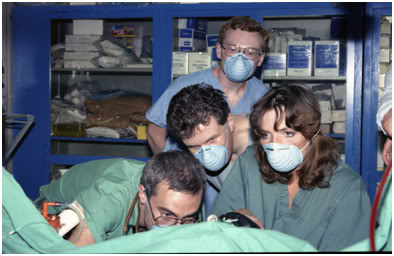 Figure 24: The Awakening: This candid photo perfectly captures the sense of wonder and anticipation that everyone who was involved in these experiments experienced at the time. When this photo was taken, Enkidu had just begun to recover a ‘lash reflex,’ indicating the imminent return of consciousness. From left to right: Mike Darwin, Garret Smyth, Max More and Brenda Peters.
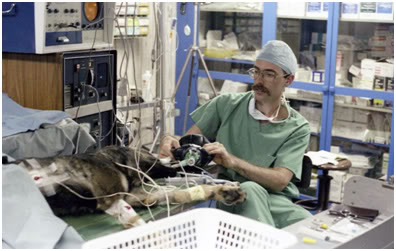 Figure 25: Mike Darwin giving ‘assist’ ventilations to a dog recovering from 4 hours of asanguineous perfusion at Cryovita Laboratories in 1981.
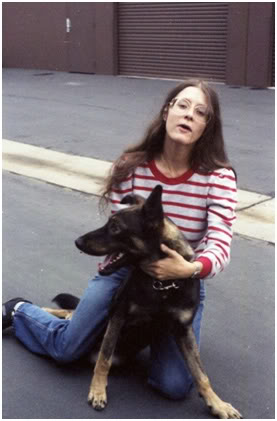 Figure 26: Alcor member and volunteer Anna Tyeb restrains a rambunctious ‘Enkidu’ a few days after he underwent 4 hours of asanguineous perfusion at ~5oC.
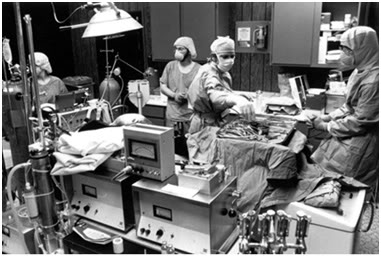 Figure 6: Facilities of Soma, Inc., in Indianapolis, IN in 1980.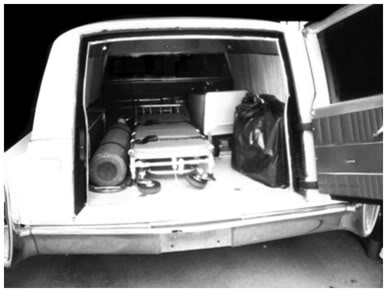
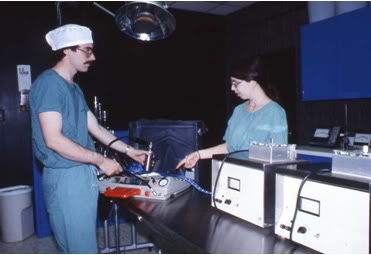 Figure 8: Soma, Inc., Heart-Lung Resuscitator, 1977.
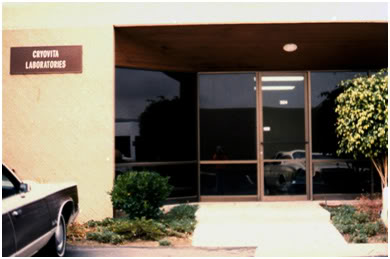 Figure 9: Cryovita Laboratories in Fullerton, CA.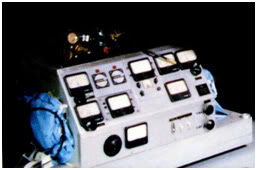
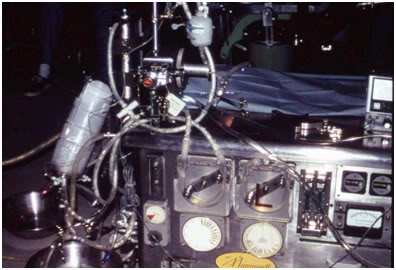 Figure 11: The heart-lung machine set-up to deliver cryoprotective perfusion at Cryovita Laboratories in July of 1978.
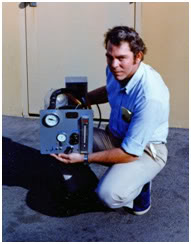 Figure 12: Out with old and in with new: Jerry Leaf with the Manrise perfusion machine, circa 1979.
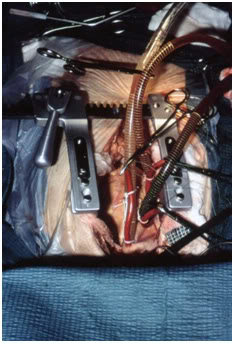 Figure 13: Median sternotomy with arterial and venous cannulae in place in cryopatient Samuel Berkowitz in 1978.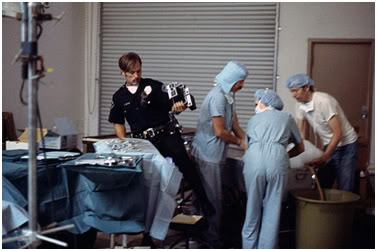
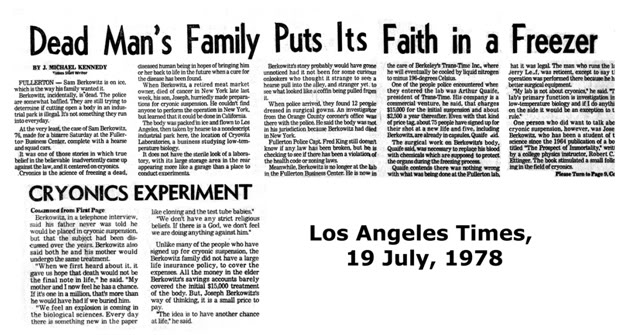 Figure 14: The Fullerton police (top) in the Cryovita facility in July of 1979 photographing the patient and the premises and an article describing the incident which subsequently appeared in the Los Angeles Times.
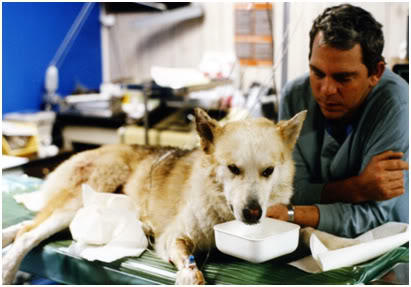 Figure 1: Jerry D. Leaf with ‘Nanook,’ a survivor of 4 hours of asanguineous perfusion at ~5oC as Nanook recovers a few hours after rewarming to normothermia.
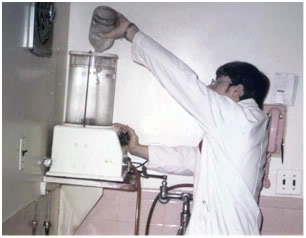 Figure 2: Cryoprotective perfusion using a Porti-Boy embalming machine in 1972: Mike Darwin adding pre-chilled Ringer’s solution to the pump reservoir.
 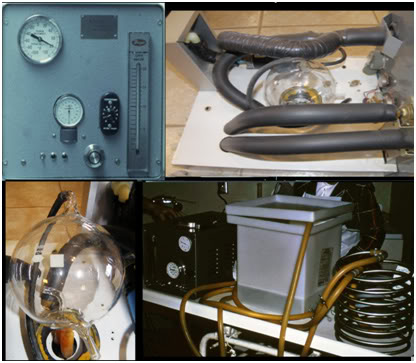 Figure 3: Manrise Model 101 perfusion machine, circa 1973: control panel (upper left), machine interior (upper right), bubble trap (lower left) and the perfusion machine with heat exchanger and reservoir (lower right).
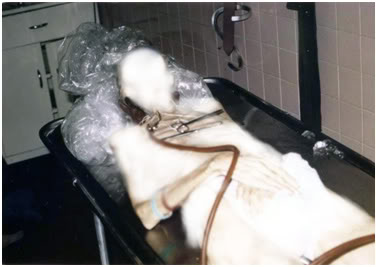 Figure 4: Cryoprotective perfusion as practiced in 1972.
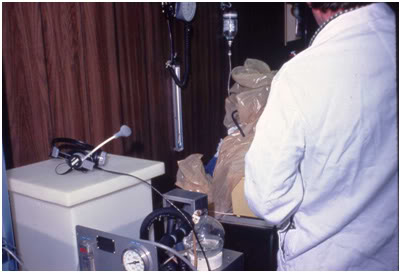 Figure 5: Cryoprotective perfusion as practiced in 1976.
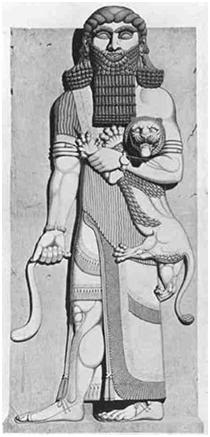
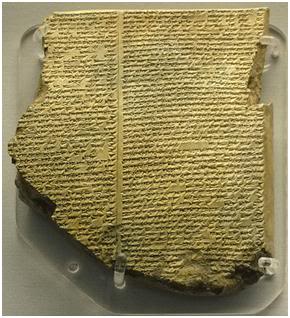
 The tools of science and technology have also informed us that, absent our intervention, the extinction of our species, as well as that of all life on earth is inevitable. Whether from an asteroid drawn too near by gravity, or the eventual death of the sun, our days are numbered. We know what the men of Akkadia – and those who came before them – could not know, and that is that humankind will not continue forever. We are as mortal as a species, as we are as individual men.